
Physiotherapy and Rehabilitation After Knee Replacement Surgery
Recovering from knee replacement surgery is not just about rest. Physiotherapy and structured rehabilitation play a central role in helping you get back to walking confidently, climbing stairs and resuming everyday activities. It’s a team effort, and at Transform Medical, we guide you through every stage of the process.
Why Physiotherapy Matters
Your new knee implant needs to be supported by strong muscles and good joint movement. Physiotherapy:
- Helps reduce swelling and stiffness
- Builds strength in the leg and supporting muscles
- Improves balance and coordination
- Prevents complications like joint stiffness or muscle weakness
Even simple exercises done regularly can significantly improve long-term outcomes.

What to Expect in Hospital
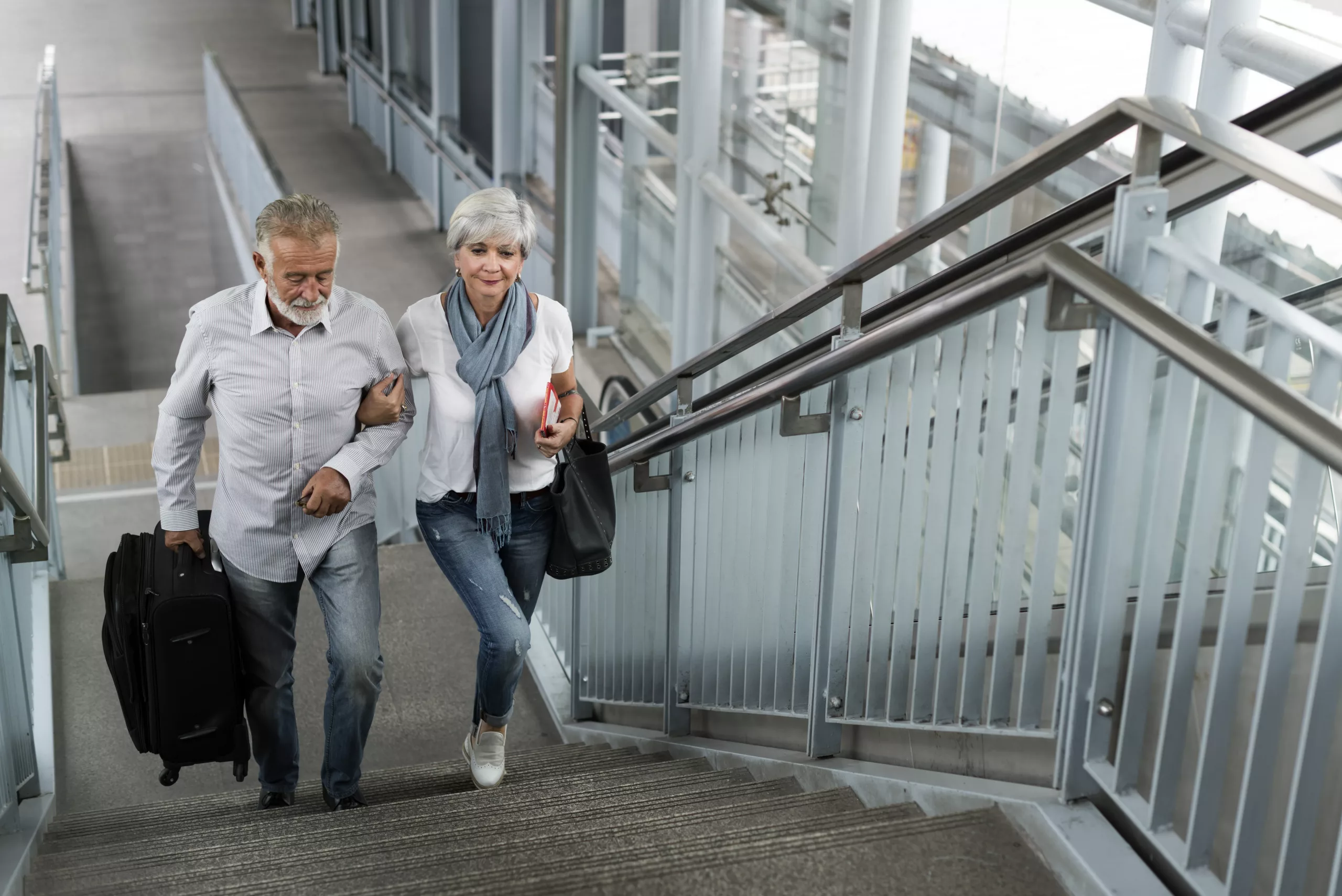
You’ll meet your physiotherapist shortly after surgery. For most patients, this happens within 12 to 24 hours. The first steps are small but important. You’ll be helped to:
- Sit up safely
- Stand using a walking frame or crutches
- Take your first few steps
Before discharge, we’ll make sure you can walk short distances, manage stairs and move confidently with your mobility aid. Your physiotherapist will also explain your home exercise plan and provide written guidance.
The First Few Weeks at Home
You’ll be expected to do your exercises at home two to three times a day. These include movements to:
- Strengthen your quadriceps and hamstrings
- Improve knee bend and extension
- Maintain circulation and reduce swelling
While we provide support and check-ins, the most progress is made when patients stay consistent with their home routine. You’ll be advised on how to pace yourself and when to push further.
Pain management, rest and elevation are also part of your recovery plan. Your care team will be available if you have questions or if something doesn’t feel right.


Mobility Milestones
Every patient is different, but here’s a general timeline:
- Day 1 to 3: Assisted walking with a frame or crutches, basic bed exercises
- Week 2: More confident walking around the home, better range of motion
- Week 4 to 6: Able to walk longer distances, manage stairs with greater ease
- Week 6 to 12: Improved leg strength, possibly transitioning to a stick or walking unaided
- 3 to 6 months: Return to light recreational activities like walking outdoors, swimming or using an exercise bike
Your consultant will track progress and adjust your rehab plan as needed.
Ongoing Support
We offer follow-up appointments, access to advanced physiotherapy partners and regular check-ins as needed. If you need additional support, we can refer you to specialist rehab services or help arrange private physiotherapy.
You are not expected to recover alone. Our team stays in touch and helps monitor your milestones, even after discharge.

Why Choose Our Hip Replacement Treatment?
We understand the urgency of your needs, and we commit to providing direct access to advanced treatments without any waiting lists.
Meet Our Surgeon
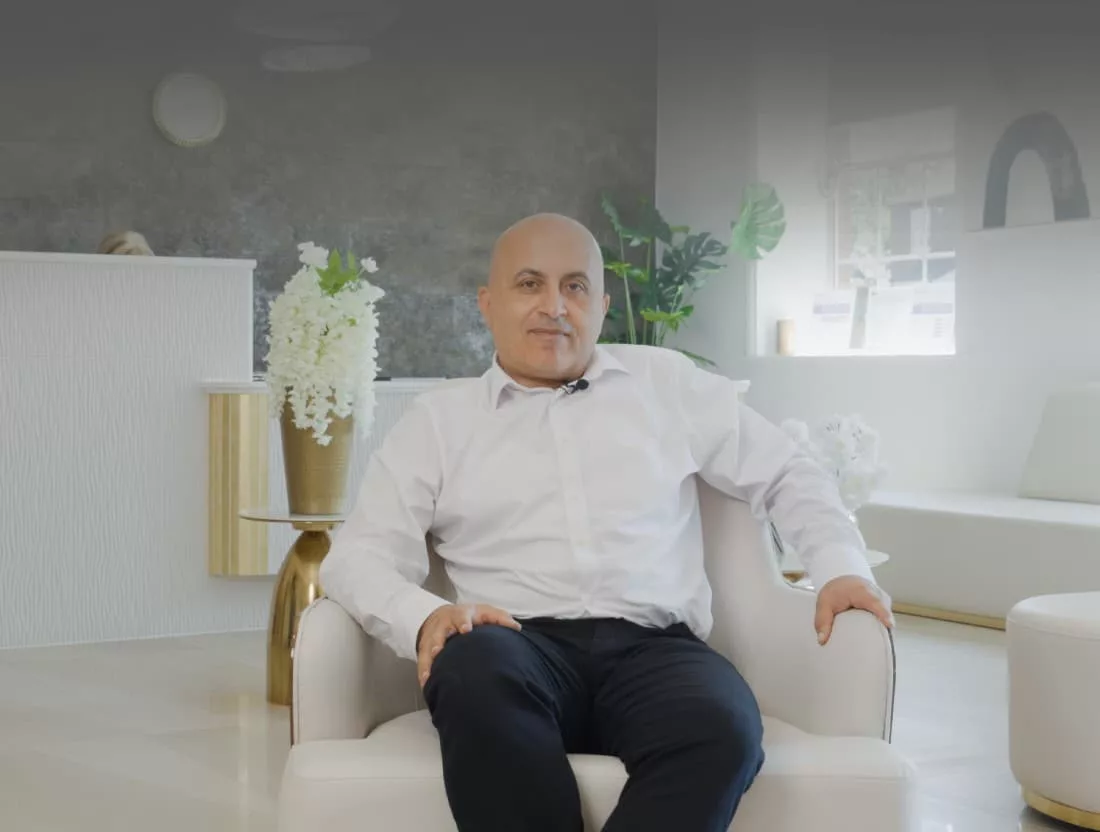
Dr. Hazem Hassouna
Consultant Orthopaedic Surgeon
Specialist in Hip and Knee Surgery | GMC Registered (No. 6070956)
With over 25 years of experience, Dr. Hazem Hassouna specialises in hip and knee replacements, arthroscopy, and complex lower limb procedures. He is known for his precision, advanced training, and a patient-first approach to orthopaedic care.
Consultant Insight
This article was written by the Transform Medical team, based on real questions we hear every week in our consultations. We’ve worked closely with our orthopaedic and clinical care teams to make sure this reflects the concerns and decisions real patients face.