
Knee Implants Explained: Your Guide to Implant Types and Materials
When you’re preparing for a knee replacement, it’s helpful to understand what kind of implant will be used and why. Knee implants are not one-size-fits-all. Your age, activity level and joint health all influence which type is best for you.
Here’s a breakdown of the different options, how they work and how long they typically last.
What Is a Knee Implant?
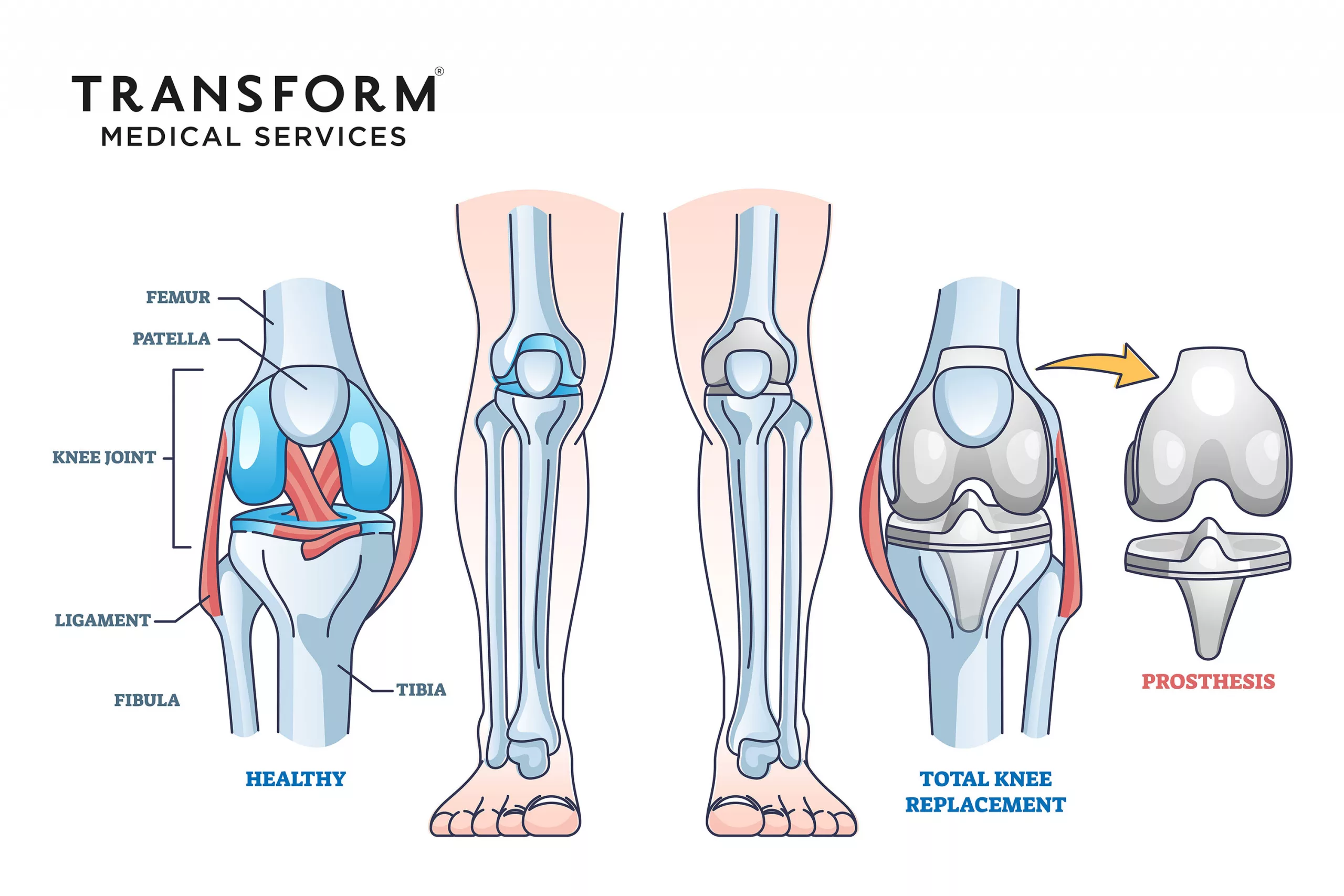
A knee implant is an artificial joint made of metal and plastic. It replaces the damaged surfaces of your natural knee joint, allowing smoother movement and relieving pain.
There are usually three main components:
- A metal cap that replaces the lower end of the thigh bone (femur)
- A metal or plastic tray that sits on top of the shin bone (tibia)
- A plastic spacer that sits between them to allow smooth, gliding movement
Some knee replacements may also include a component for the back of the kneecap (patella), depending on your anatomy and condition.

Cemented vs Uncemented Fixation
Most knee implants are cemented into place using a special bone cement. This provides immediate stability and is ideal for patients with lower bone density or over the age of 65.
Uncemented knee implants are used less commonly but may be considered in certain younger, more active patients with strong bone quality. These implants rely on bone growth into a porous surface to hold them in place over time.
At Transform Medical, we primarily use cemented implants for knee replacement as they offer excellent outcomes and faster early recovery in most patients.
What Are Knee Implants Made From?
Metal
Most of the implant is made from cobalt-chromium or titanium. These materials are durable, safe and resist wear. The metal components replace the ends of the bones in your knee joint.
Plastic (Polyethylene)
A high-grade plastic component acts as a cushion between the metal parts. It allows for smooth movement and reduces friction. In many modern implants, this plastic is specially treated to improve longevity.
These materials are chosen because they are biocompatible, meaning your body accepts them without an immune reaction.


How Long Does a Knee Implant Last?
Most modern knee implants last between 15 and 20 years or longer. Some patients will eventually require a revision, especially if they are younger or highly active.
You can help extend the lifespan of your implant by:
- Following your rehabilitation plan
- Maintaining a healthy weight
- Staying active with low-impact exercises
Your consultant will recommend the most suitable implant based on your health, lifestyle and future goals.
Do I Have a Choice in the Type of Implant?
In most cases, your consultant will choose the implant that offers the best long-term result for your specific needs. However, we always explain your options and provide a record of the implant used.
You can ask about:
- The brand and model of the implant
- Why a particular design or fixation method is being used
- Expected lifespan and suitability for your activity level
You’ll be fully informed before surgery so that you feel confident about what’s being placed in your body.

Why Choose Our Hip Replacement Treatment?
We understand the urgency of your needs, and we commit to providing direct access to advanced treatments without any waiting lists.
Meet Our Surgeon
Dr. Hazem Hassouna
Consultant Orthopaedic Surgeon
Specialist in Hip and Knee Surgery | GMC Registered (No. 6070956)
With over 25 years of experience, Dr. Hazem Hassouna specialises in hip and knee replacements, arthroscopy, and complex lower limb procedures. He is known for his precision, advanced training, and a patient-first approach to orthopaedic care.

Consultant Insight
This article was written by the Transform Medical team, based on real questions we hear every week in our consultations. We’ve worked closely with our orthopaedic and clinical care teams to make sure this reflects the concerns and decisions real patients face.