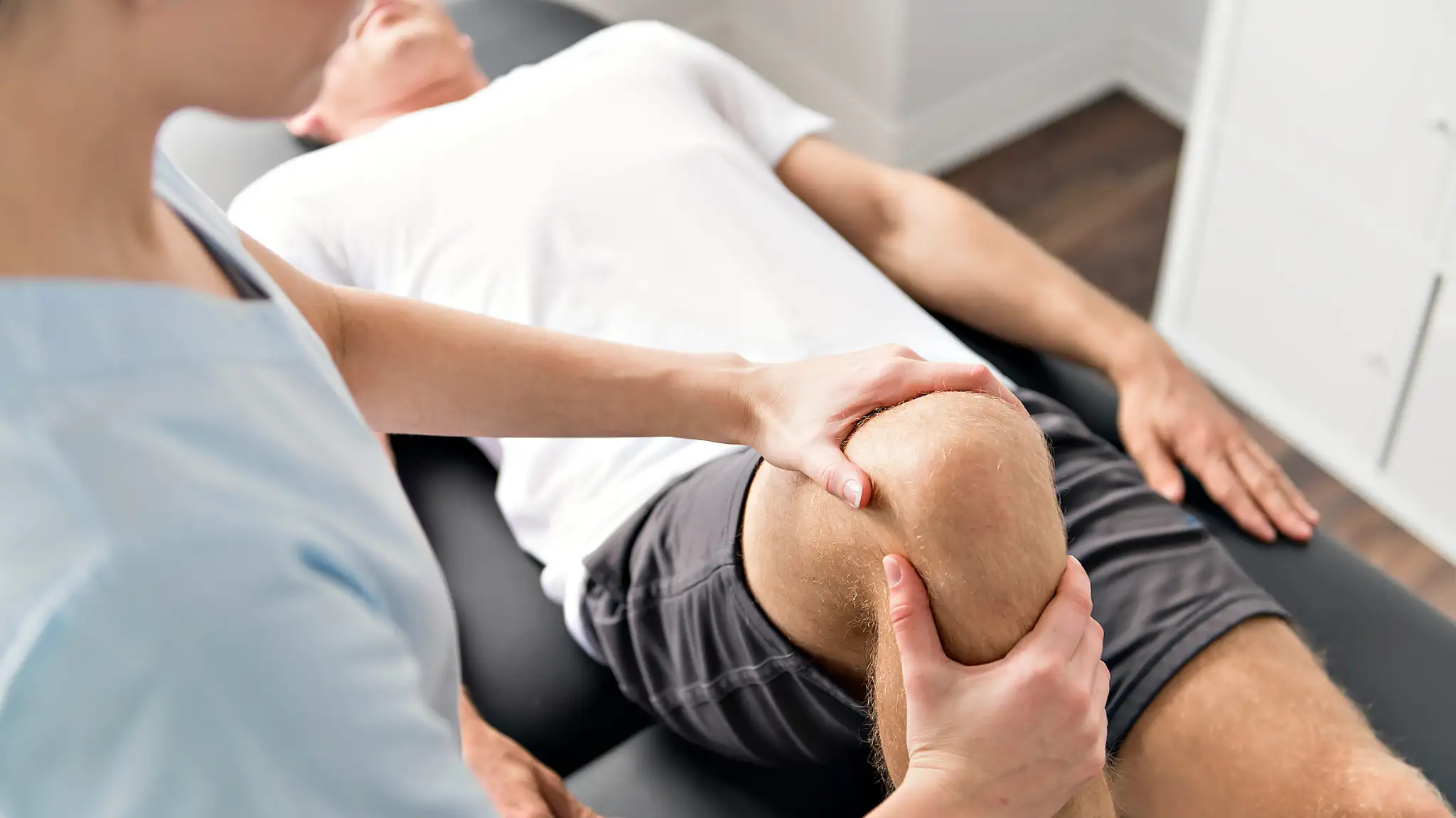
The decision to undergo surgery, particularly a joint replacement, is a life-changing one. It is the beginning of your journey toward a life free from chronic pain and full of renewed mobility. For many of our patients at Transform Medical, a private hip replacement or private knee replacement marks the end of years of debilitating discomfort. However, the procedure itself is only the first chapter of your story. The true success your long-term function, strength, and ability to return to the activities you love depends almost entirely on a dedicated and structured post-operative physiotherapy programme.
Physiotherapy is not merely an optional add-on; it is the cornerstone of recovery after orthopaedic surgery. At Transform Medical, our expert consultants consistently emphasise that rehabilitation is where the real transformation happens. Without a consistent and guided approach to physical therapy, even the most technically perfect surgery may result in a slower, less complete recovery, leaving you with avoidable stiffness and muscle weakness.
This comprehensive guide explores the critical role of post-surgical physiotherapy, detailing the profound benefits it offers in the UK healthcare setting, and how a structured plan from a trusted provider like Transform Medical ensures you get the most out of your new joint.
The Critical Role of Early Mobilisation and Rehabilitation
One of the most significant advances in modern orthopaedic care is the commitment to early mobilisation. Gone are the days of prolonged bed rest. Current best practice, championed by leading bodies and adopted by Transform Medical, recommends that rehabilitation should begin on the very day of your surgery or, at the latest, within 24 hours.
In-Hospital: Laying the Foundation for Success
Immediately following your operation, a physiotherapist will guide you through your first, vital movements. For patients undergoing a private hip replacement surgery or a private knee replacement, this initial stage is about safe, controlled movement.
- First Steps: You will be assisted to sit up, stand with a frame or crutches, and take your first few supervised steps. This early activity is crucial as it helps to promote good circulation, which in turn reduces the risk of serious complications like deep vein thrombosis (DVT) and speeds up the healing process.
- Safe Movement Education: Your physiotherapist will instruct you on how to safely sit, walk, and use mobility aids to protect your new joint. For hip replacement patients, this includes learning essential hip precautions such as avoiding bending beyond 90 degrees or crossing your legs to prevent dislocation while the soft tissues heal.
- Initial Exercises: You will be taught a simple set of bed-based exercises, such as ankle pumps and quad sets, designed to maintain muscle activity and blood flow. Consistency here is paramount. As one of our consultants puts it, “Recovery doesn’t stop when you leave the operating theatre. Rehabilitation is where patients truly feel the difference.”
The ultimate goal of this initial phase is to ensure you can safely manage personal tasks and move confidently with support before you are discharged, typically within one to three days.
Beyond the Hospital: The Essential Journey to Full Function
While the surgical team provides the foundation, your recovery is a long-term project. The weeks and months following your discharge are when consistent, structured physiotherapy truly delivers its most profound benefits. This is a progressive journey of rebuilding, stabilising, and strengthening.
1. Restoring Full Range of Motion and Flexibility
Post-surgery, stiffness is the enemy of a successful joint replacement. If the new joint is not moved, scar tissue can build up, leading to long-term restriction. For private knee replacement patients, the focus is intense on regaining both full knee extension (straightening) and sufficient flexion (bending) to allow for everyday activities like walking down stairs or cycling.
- Targeted Exercises: Your physiotherapist will provide a personalised home exercise programme, gradually introducing movements like heel slides, inner range quads, and passive stretches. This consistency helps to gently stretch the healing tissues, ensuring the joint operates with maximum efficiency and comfort.
- Preventing Stiffness: Regular exercise, as often as three to five times a day, is necessary in the early stages. This sustained commitment is what differentiates a good outcome from an excellent one.
2. Rebuilding Muscle Strength and Stability
Surgery, and the preceding period of painful restricted movement, inevitably causes muscle atrophy (weakness) in the surrounding area. A strong, steady return to movement relies on rebuilding the muscles that support and control your new joint.
- Hip Replacement Focus: Exercises will target key muscle groups like the gluteal (buttock) and quadriceps muscles, which are vital for hip stability, balance, and a confident walking pattern.
- Knee Replacement Focus: Strengthening the quadriceps and hamstrings is paramount. Strong muscles help to stabilise the knee, reduce strain on the joint itself, and allow you to transition from walking aids to independent mobility sooner.
- Functional Training: As you progress, therapy moves from isolated strengthening to functional exercises, like squats, step-ups, and balance drills that mimic the movements you perform in daily life, such as climbing stairs or getting out of a chair.
3. Effective Pain, Swelling, and Scar Management
Pain and swelling are normal, expected parts of the recovery process. While medication is important, physiotherapy offers essential drug-free techniques to manage discomfort and inflammation.
- Reducing Swelling: Techniques like elevation, gentle movement, and the application of ice help reduce swelling, which can otherwise limit movement and increase pain.
- Addressing Scar Tissue: Over time, physiotherapists can use soft tissue mobilisation techniques, such as massage, to reduce the build-up of excess scar tissue, which can be restrictive and cause discomfort.
- Confidence in Movement: By providing a safe environment to push your limits, physiotherapy helps to overcome the natural ‘fear of movement’ that can slow recovery, empowering you with the confidence to move safely and without hesitation.
The Transform Medical Advantage: A Personalised Pathway to Recovery
At Transform Medical, we recognise that your recovery journey is unique. Our structured approach to rehabilitation is designed to complement the expert work of your consultant surgeon, giving you the best chance of a swift and complete recovery.
Structured Support from Day One
From the moment you choose Transform Medical for your private surgery, you gain access to a tailored rehabilitation pathway. This plan is designed to be progressive, safe, and motivating.
- Clear Programme: We provide a clear physiotherapy programme and all the written guidance and instructions you need to continue your exercises at home.
- Access to Specialists: We ensure access to specialised rehab services and follow-up check-ins with your consultant to monitor your progress.
- Guidance and Pacing: Your physiotherapist will advise you on how to pace yourself, when to push further, and when to rest, ensuring you don’t overwork your new joint. The long-term goal is to transition you safely from mobility aids, such as crutches or a stick, to walking unaided, typically within six to twelve weeks, and to return to light recreational activities within three to six months.
Your dedicated recovery plan not only supports your physical healing but also offers peace of mind, knowing you are being guided by experts every step of the way.
For a clearer understanding of your next steps, you can check the latest prices and funding options for your surgery here or book a scheduled call with an advisor to discuss your knee or hip replacement journey.
The Long-Term Payoff: Regaining Your Life
The final and most rewarding benefit of committed post-surgical physiotherapy is the long-term functional independence and improved quality of life it provides. This sustained effort is what allows you to move from simply ‘recovering’ to truly ‘living’ again.
Functional Independence: A successful rehabilitation programme enables you to return to your daily routines, walking the dog, gardening, playing with grandchildren, or simply navigating stairs with confidence and without pain.
Reduced Risk of Complications: By strengthening muscles and improving balance, you significantly reduce your risk of falls and re-injury, protecting your new joint and ensuring its longevity.
Improved Quality of Life: Patients who fully engage with their physiotherapy consistently report experiencing less long-term pain, faster mobility, and better long-term function compared to those who do not. The strong, stable movement that physiotherapy restores allows you to embrace an active lifestyle once more.
The success of your private hip replacement or private knee replacement is a partnership. Your surgeon provides the technical expertise and the new joint; your physiotherapist provides the roadmap to maximise its function; and your commitment provides the fuel for the journey. Choose to prioritise your rehabilitation, and you choose a life of greater mobility, less pain, and a transformation that truly lasts.
Frequently Asked Questions (FAQs)
Q1: How soon after my surgery will physiotherapy begin?
At Transform Medical, your rehabilitation programme begins with early mobilisation, often on the same day as your surgery or within the first 24 hours. Your physiotherapist will help you sit up, stand, and take your first steps with a walking aid. This is a key part of modern joint replacement recovery to ensure a faster, safer recovery and prevent complications.
Q2: How long will I need physiotherapy after a hip or knee replacement?
The duration varies, but a structured physiotherapy programme typically continues for several months. The most intensive phase usually lasts the first 6 to 12 weeks, focusing on regaining range of motion and initial strength. However, most patients continue with a home exercise programme for up to six months or more to achieve maximum strength and functional return.
Q3: Can I skip physiotherapy and just rest? A: No. Rest alone is insufficient and can lead to complications. Immobilisation greatly increases the risk of joint stiffness, muscle weakness (atrophy), and potentially serious issues like blood clots. Physiotherapy is essential to safely regain movement, strength, and function, ensuring the long-term success of your private joint replacement.
Q4: What are the biggest benefits of early post-op physiotherapy?
The biggest benefits include: significantly faster recovery time, regaining full range of motion in the new joint, reducing pain and swelling, rebuilding muscle strength and stability, and minimising the risk of post-operative complications such as deep vein thrombosis (DVT) and long-term joint stiffness.
Q5: Will the exercises be painful?
You will experience some discomfort and stiffness, which is normal as you work the healing tissues and muscles. Your physiotherapist is an expert in guiding you safely and will work closely with your medical team to ensure your pain is effectively managed. The exercises are a controlled push to restore function and will gradually become easier as your strength and mobility improve.
Disclaimer*: This content is for informational purposes only and is not a substitute for professional medical advice. Always consult a qualified healthcare provider before making any decisions about cosmetic surgery or medical treatments.